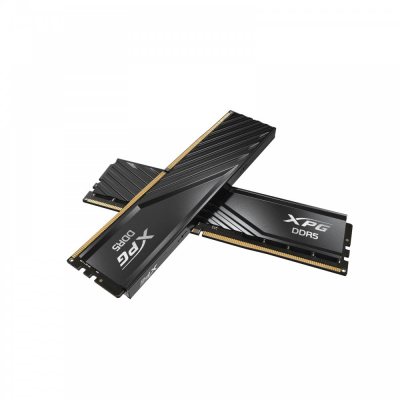

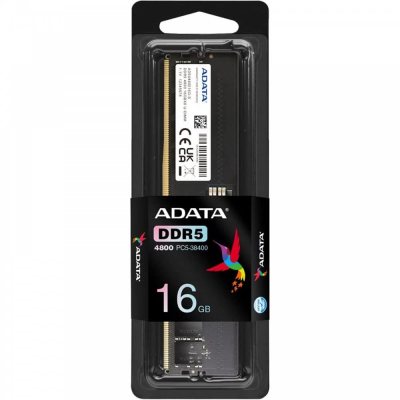
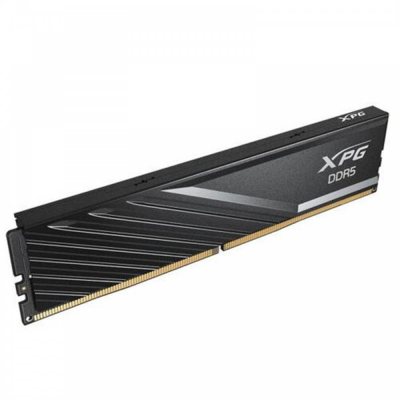
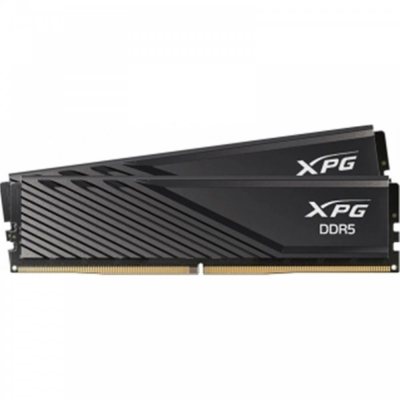
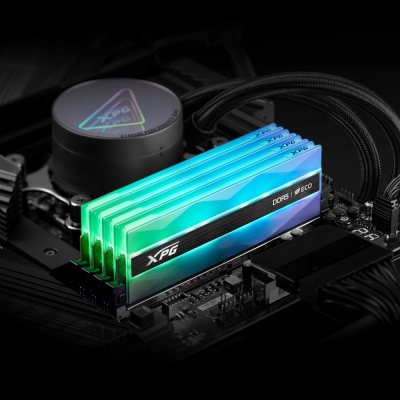
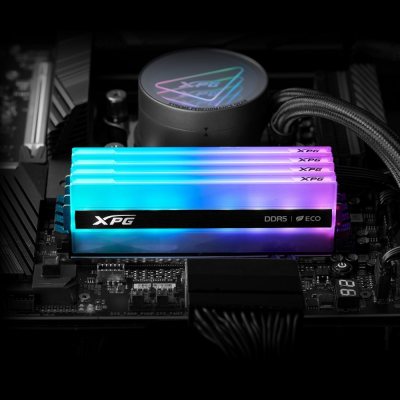
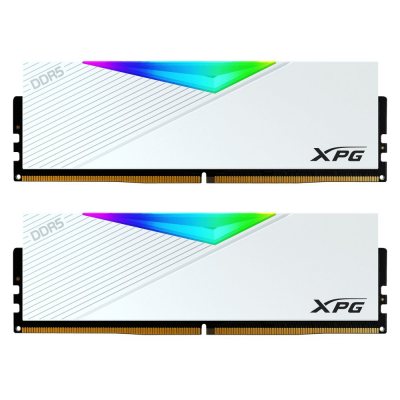
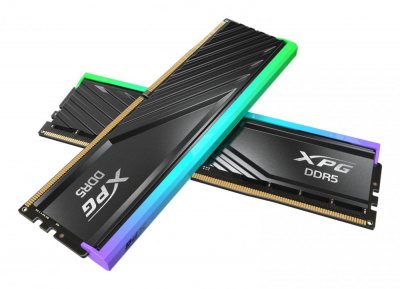
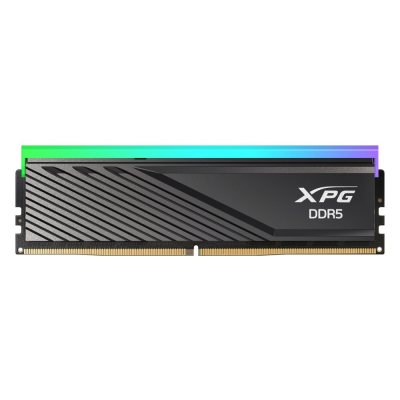
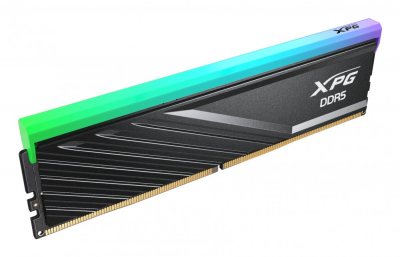
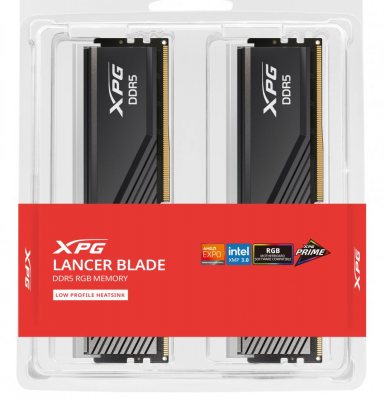
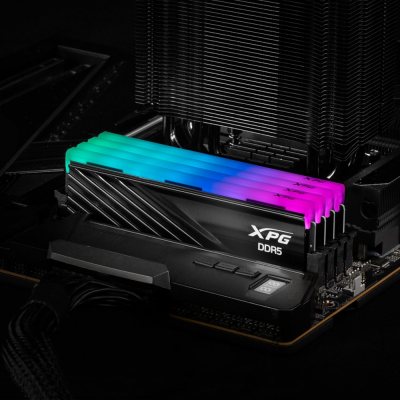
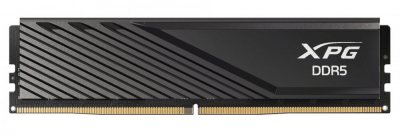
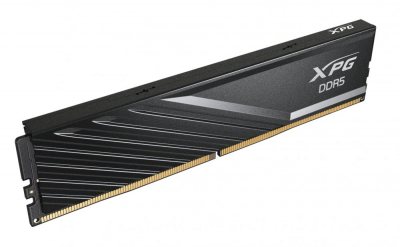
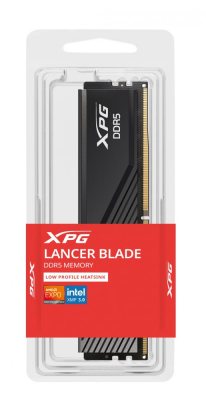
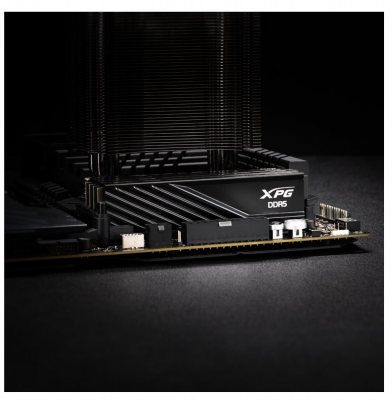
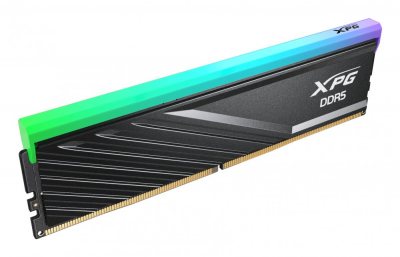
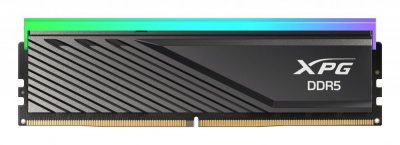
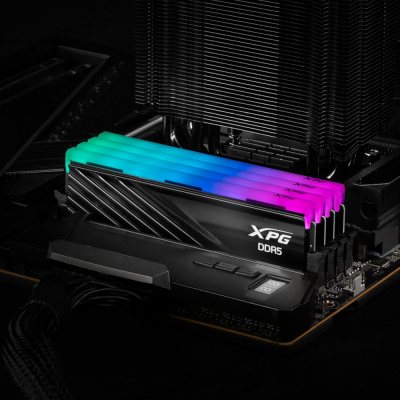
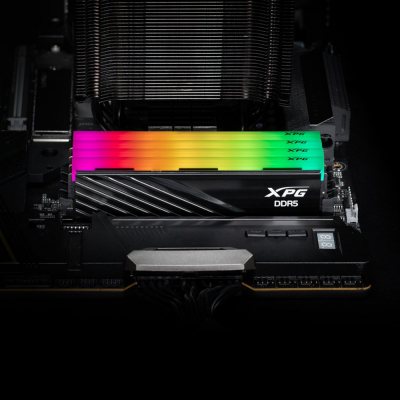
ADATA Adata XPG Lancer Blade 32GB (2x 16GB) DDR5 5600MHz RAM 32GB (2x 16GB) · DDR5 · 5600MHz In stock· Online only
£539.99inc VATFree delivery
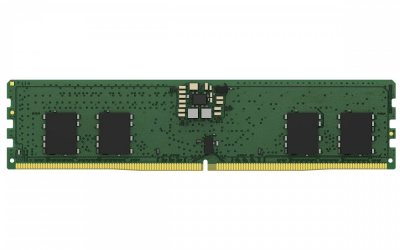
DDR5 is the memory used by every AM5 and LGA1851 motherboard, and by many LGA1700 boards. It will not fit a DDR4 slot, so check your board first. Most of our DDR5 runs at 5600 or 6000MHz, with faster 6400MHz and above kits for enthusiasts. For a gaming or everyday desktop, a matched pair of 16GB sticks (32GB in total) is a sensible place to start. Below are desktop sticks only. For laptops, see laptop RAM.




















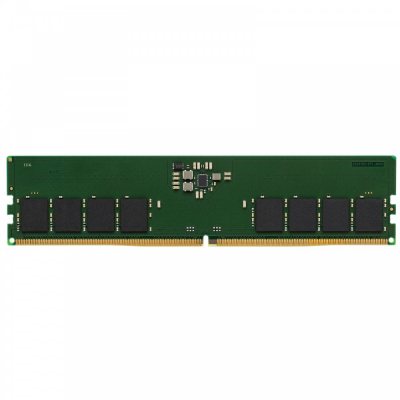

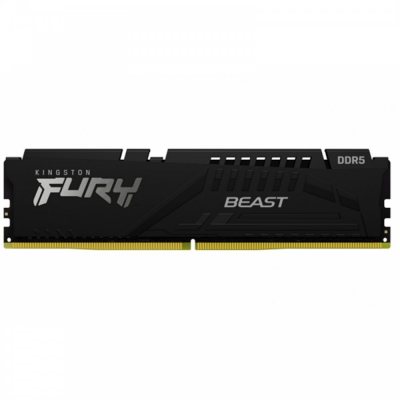

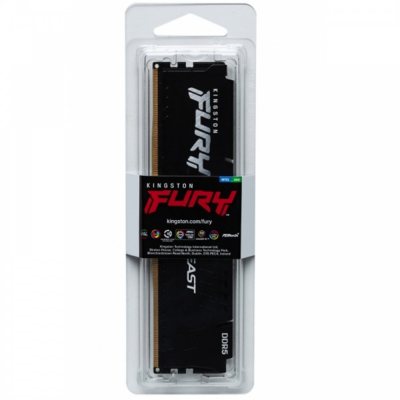


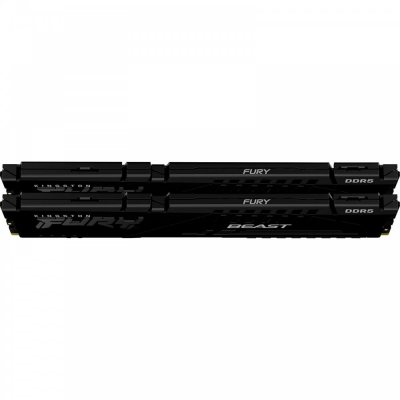




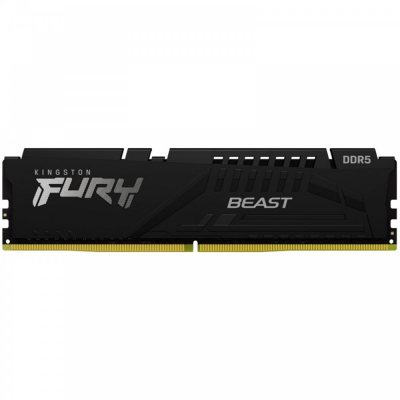

















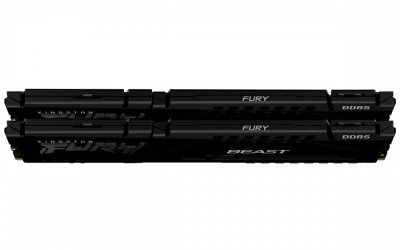

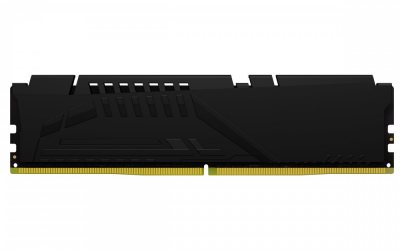
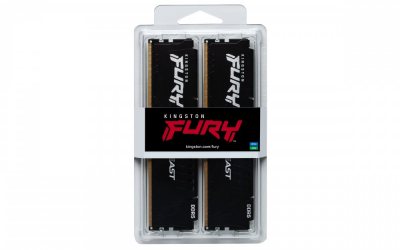

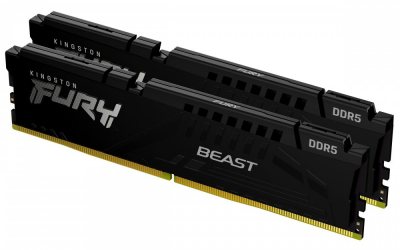
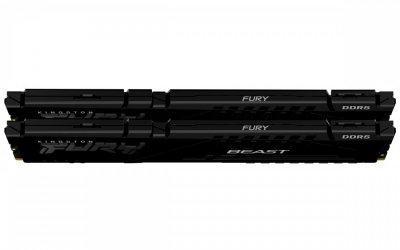
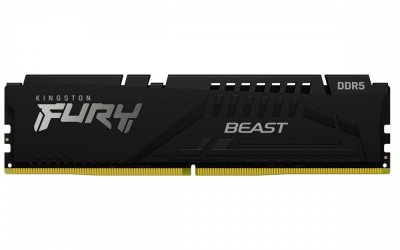
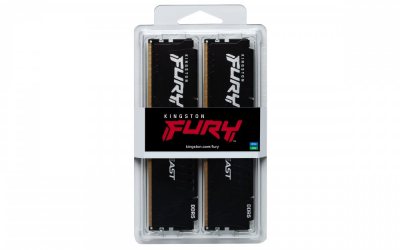

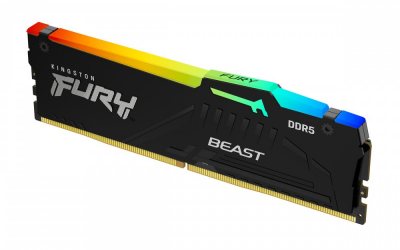
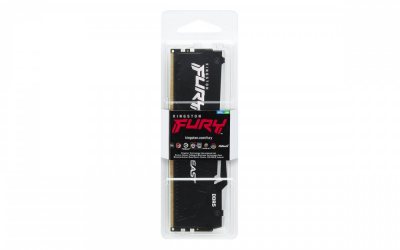


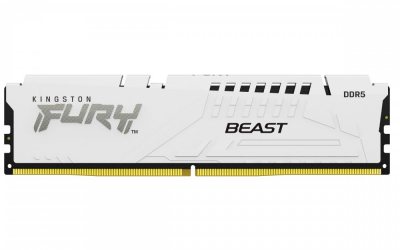
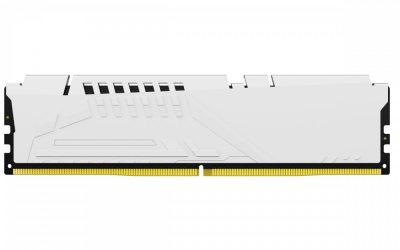


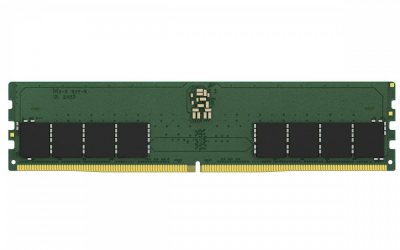





Nothing matches those filters. Try removing one.
Speed is shown in MHz (really MT/s). On Ryzen 7000 and 9000 processors, 6000MHz is a popular match because it keeps the memory controller in step with the RAM. On Intel Core Ultra and 12th to 14th gen, 5600 to 6400MHz works well. Very fast kits such as 7200 or 8000MHz need a board and processor that can hold that speed, so check your motherboard memory support list first.
A new DDR5 kit starts at a safe default speed, often 4800MHz. To run it at the speed on the box, switch on the memory profile in the BIOS: XMP on Intel boards, EXPO on AMD boards. Many kits carry both. The first start after fitting DDR5 can take a minute or two while the board trains the memory. That is normal, so do not switch off.
Desktop processors read memory over two channels. Two sticks fill both channels and give noticeably more bandwidth than one stick of the same total size. A 2 x 16GB kit is the usual choice for gaming. If you might go to 64GB later, a single 32GB stick now and a matching one later is possible, but a sealed kit is more certain to run at its rated speed together.