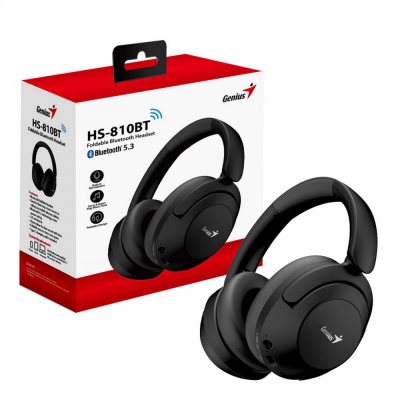

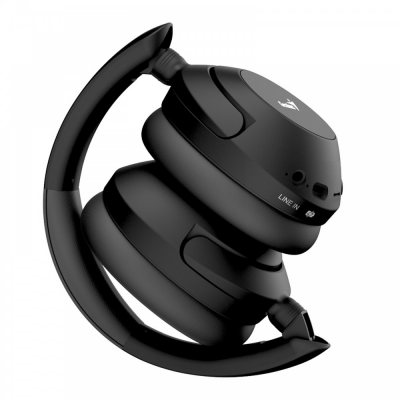

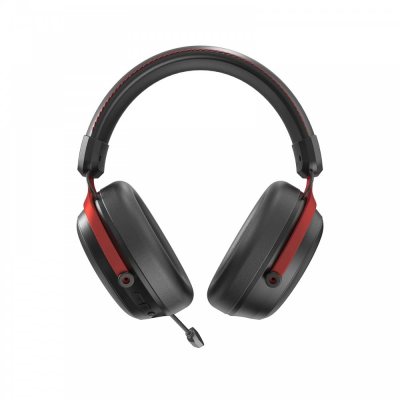
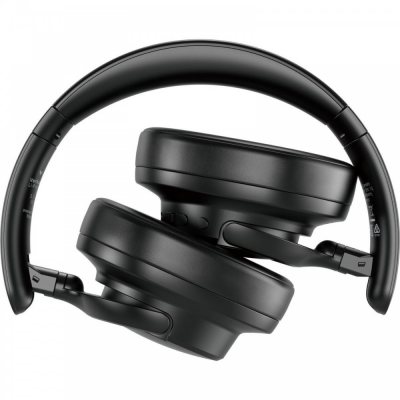
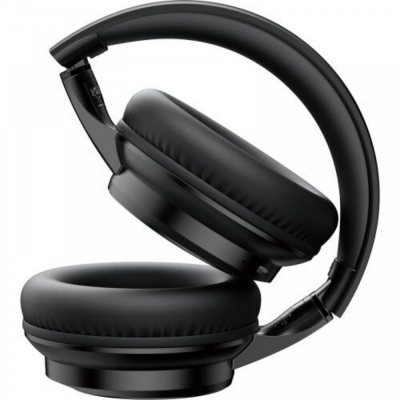
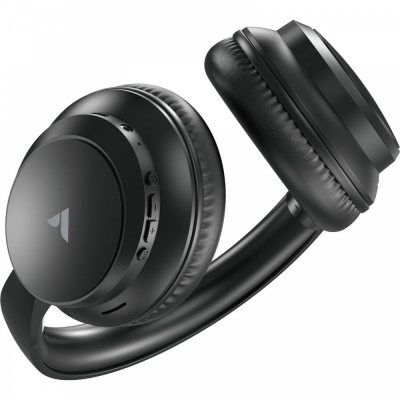
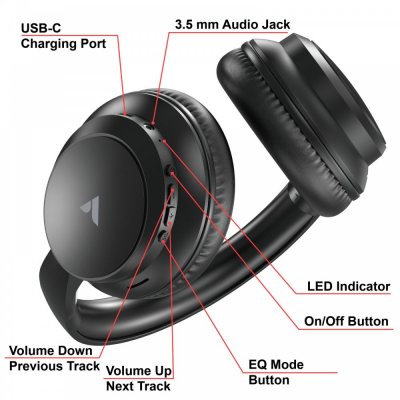
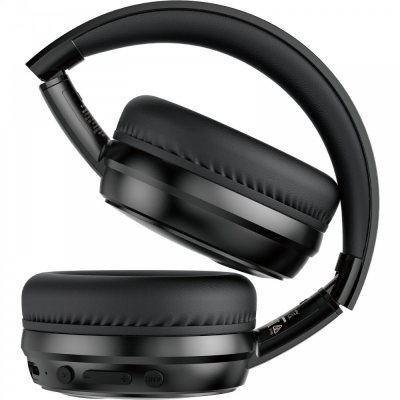
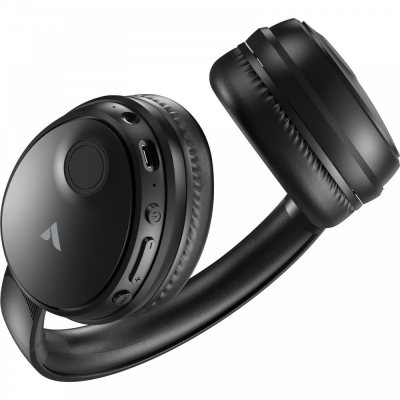
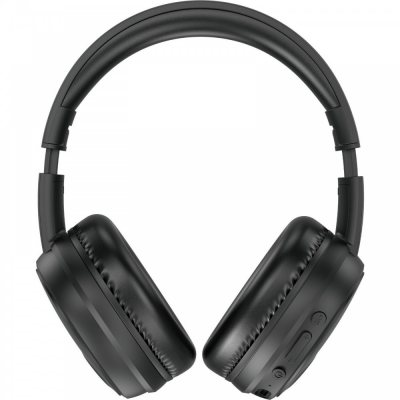
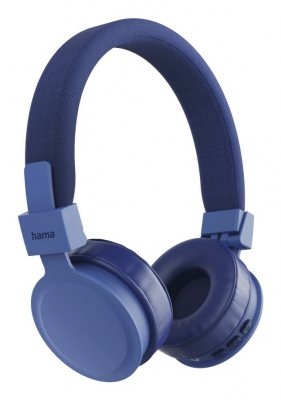
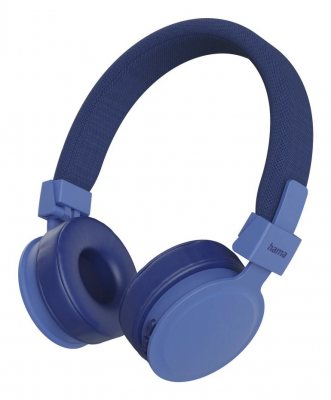
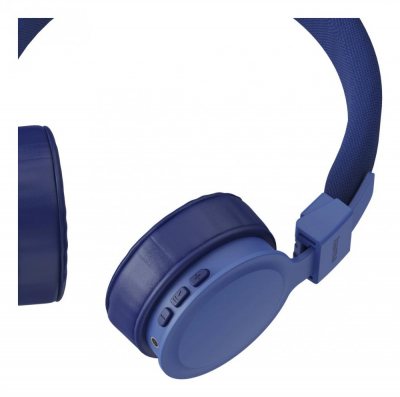
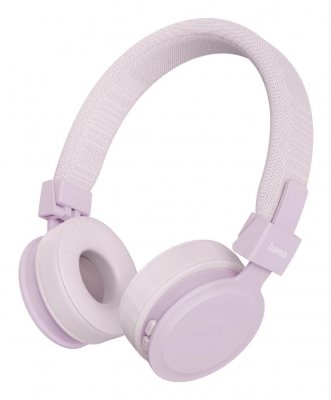
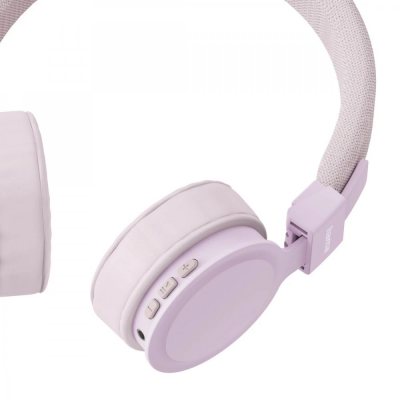
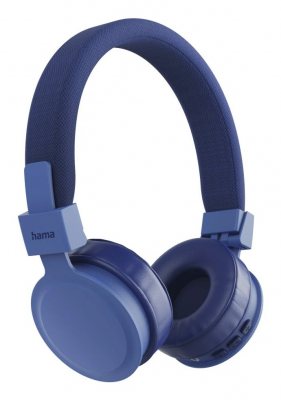
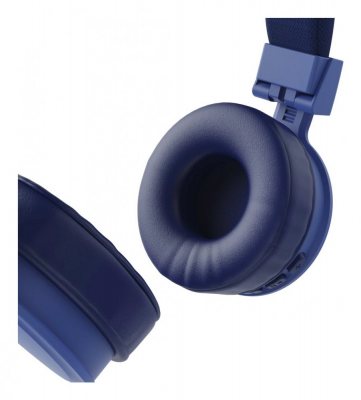
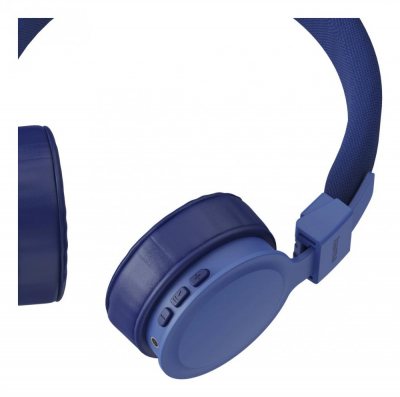
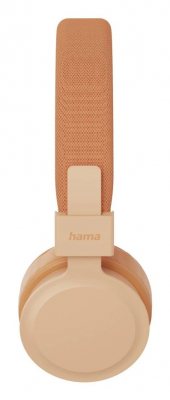
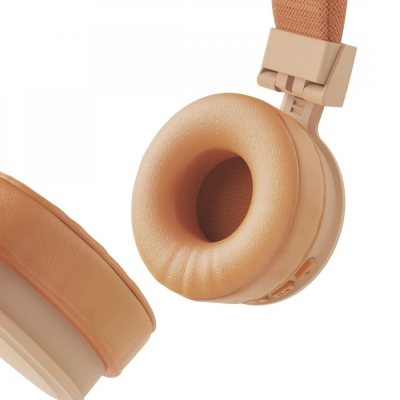
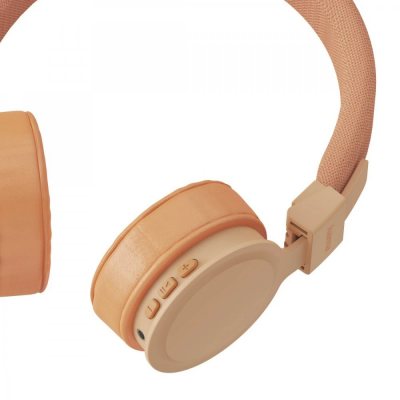
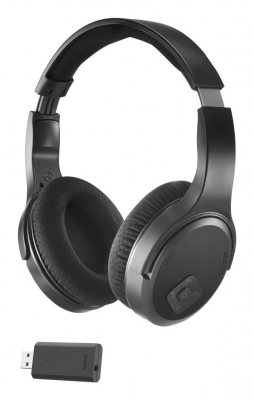
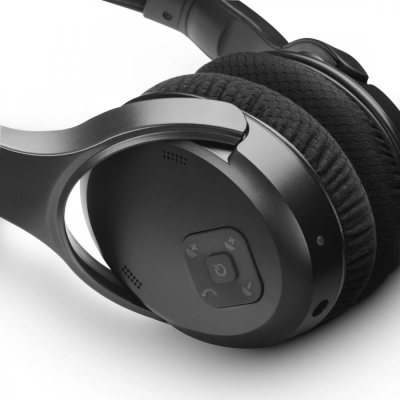
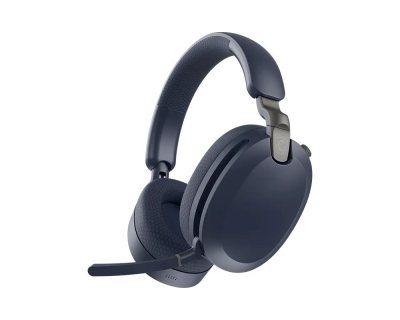
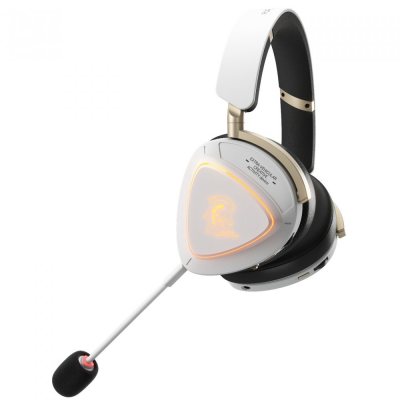
Genius Genius HS-810BT Foldable Bluetooth 5.3 Headset Over-Ear · Bluetooth & 3.5mm In stock· Online only
£17.99inc VAT£22.98 delivered
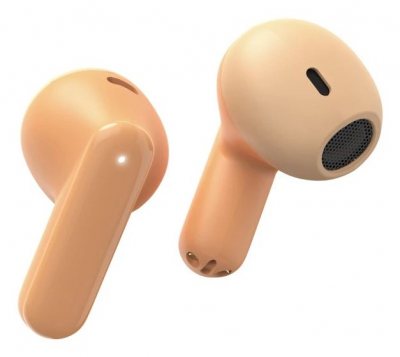
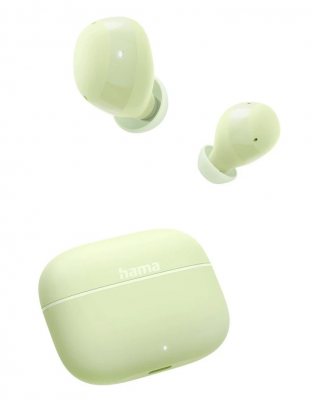
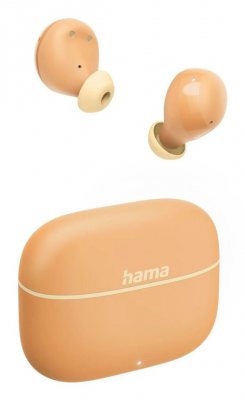
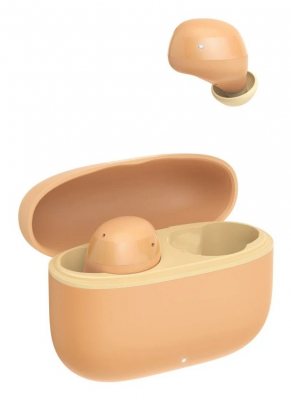
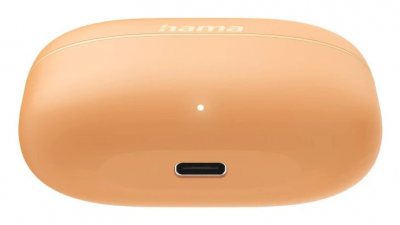
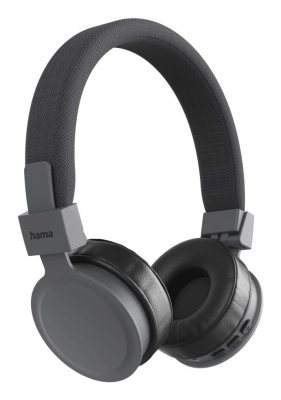
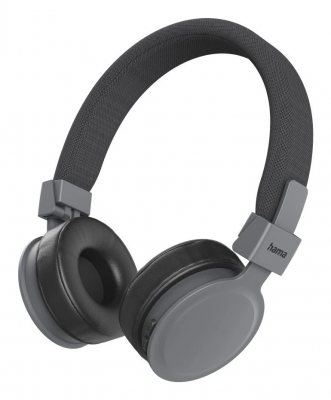
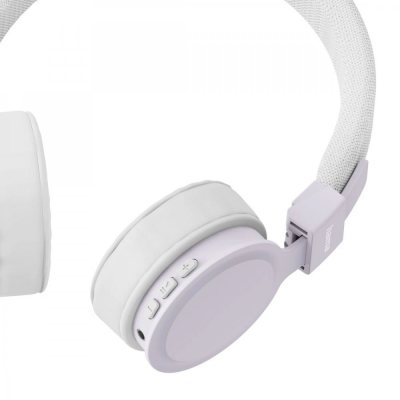
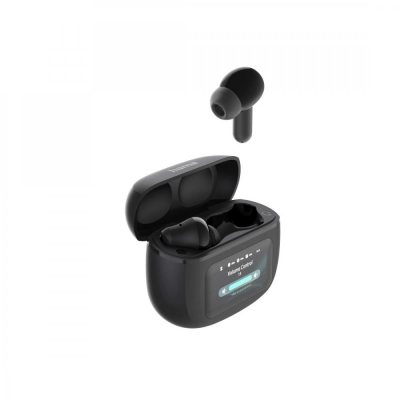
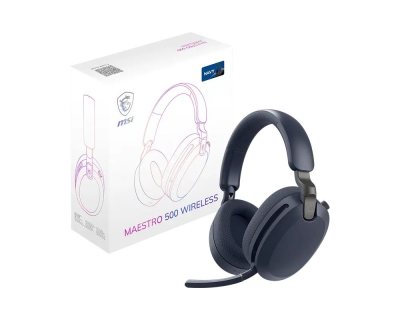
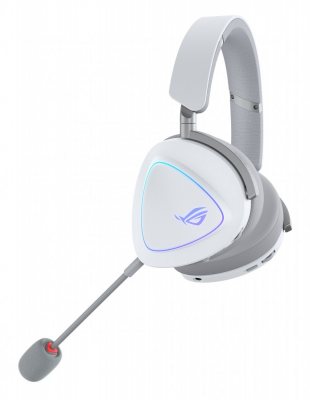
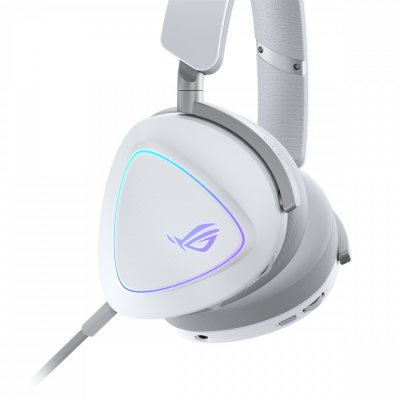
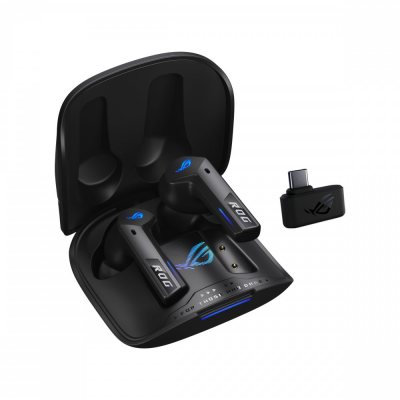
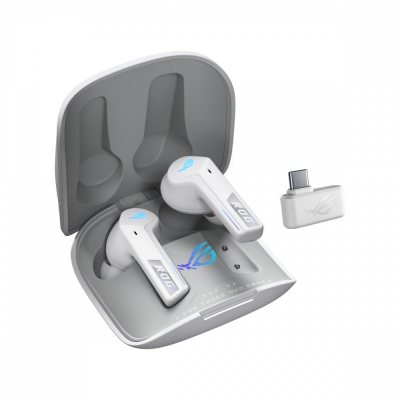
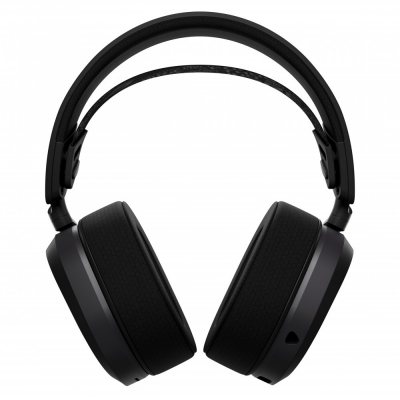
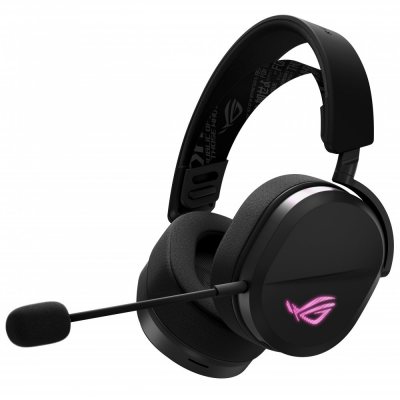
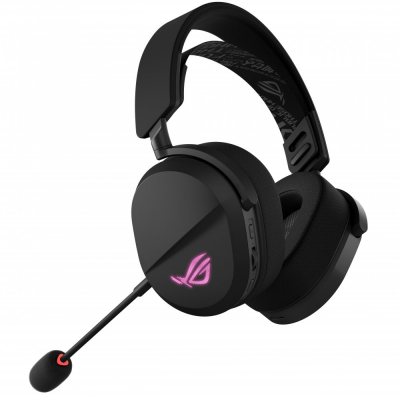
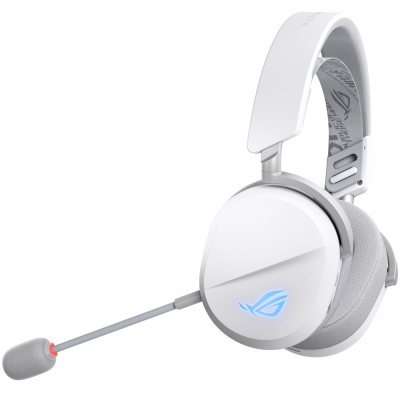
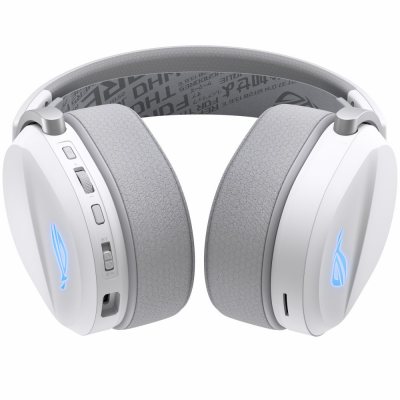
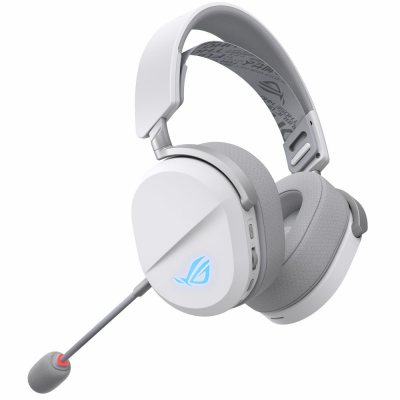
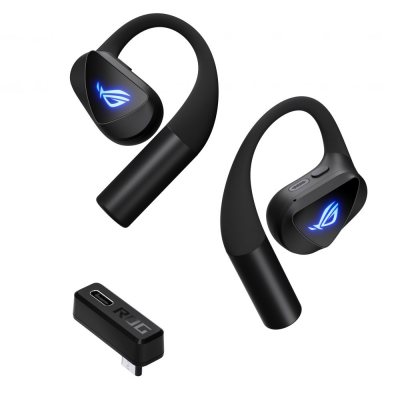
Wireless covers a lot of ground, so start with how you will use it. True wireless earbuds from Hama and ASUS ROG suit commuting and the gym. Bluetooth headphones from Hama and Verbatim, some with active noise cancelling, suit longer listening. Hama MyVoice headsets are made for calls. For gaming, ASUS ROG, MSI and Marvo models add a microphone, and some also connect by a USB receiver that cuts delay. There is even a Hama TV headphone with its own wireless dongle. Check the connection type matches your device.






















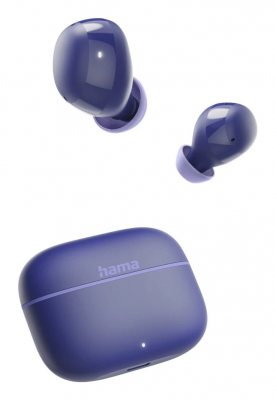
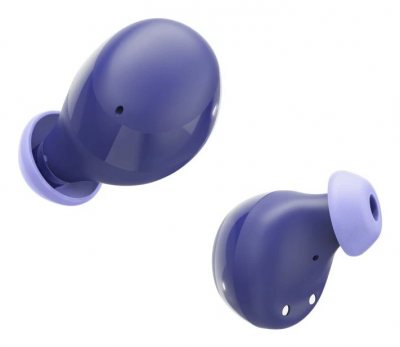


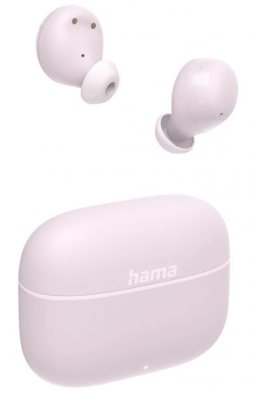


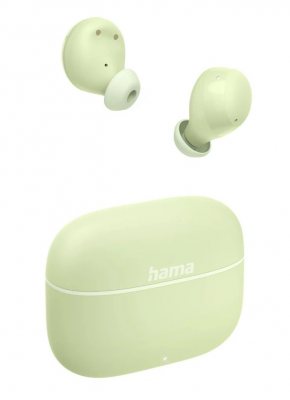








































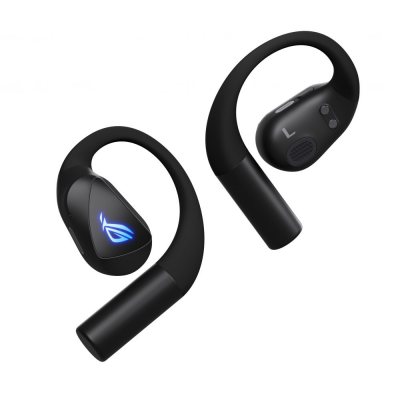
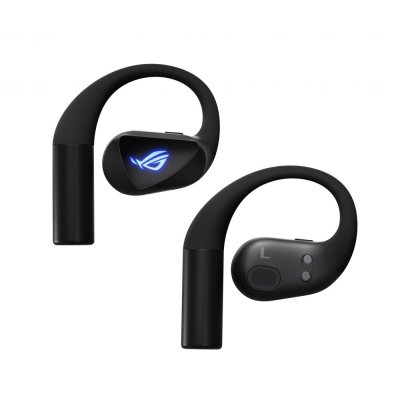


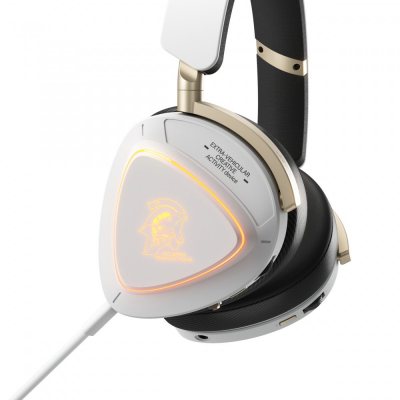
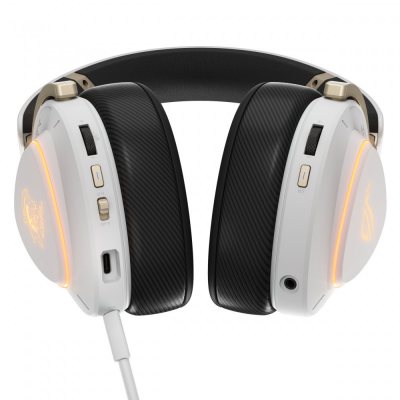

Nothing matches those filters. Try removing one.
Bluetooth works with phones, tablets, laptops and most PCs, but adds a small delay. That is fine for music and calls and usually corrected in video apps. A 2.4GHz USB receiver has much lower delay, which matters in games and when watching TV. PS5 and Xbox consoles do not support Bluetooth audio, so a console headset needs its own receiver. Browse all headsets for wired options.
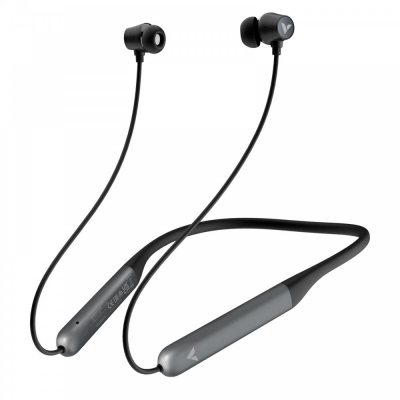
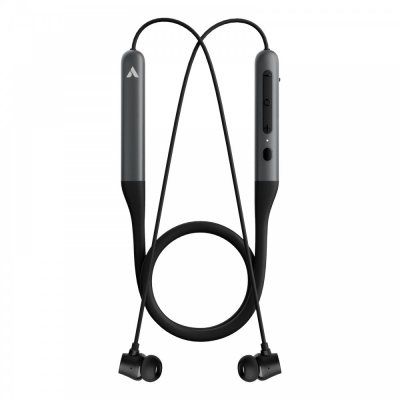
Earbuds are small, light and easy to carry, and neckband earbuds are harder to lose. On-ear headphones press lightly on the ear and stay cooler. Over-ear headphones surround the ear for better comfort over long sessions and block more outside noise. Active noise cancelling uses microphones to cancel steady background sound such as engines and air conditioning. ENC on a microphone cleans up your voice on calls instead.
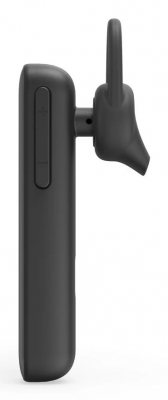
For video meetings, a headset with a boom or ear-hook microphone picks up your voice more clearly than earbuds. Mono headsets leave one ear free to hear the room. Multipoint Bluetooth lets one headset stay connected to a laptop and a phone at once. If you would rather not wear anything, desktop speakers are an alternative for calls in a quiet room.