AI Automation for Small Businesses (Plain English)
AI automation for small businesses explained in plain English: what it is, how it works, why it matters, and where it could save you real hours.
AI automation for small businesses is software that handles repetitive tasks for you, such as answering common questions, following up on quotes, and moving information between systems, while passing anything that needs judgement to a person. If you run a small business in the UK and feel like half your week disappears into the same handful of jobs, this is written for you. By the end you will be able to spot which tasks are worth automating, understand how it works, and decide where to start without wasting money. We are a Manchester technology business that started at the repair bench and now builds these systems for clients every week, so this comes from doing it, not selling a dream.
What is AI automation for small businesses?
AI automation for small businesses is the use of software, often combining simple rules with artificial intelligence, to carry out repetitive business tasks automatically, around the clock, with a person involved only when human judgement is genuinely needed. It is not one product. It is a way of joining your tools together so that routine work happens on its own.
In plain English, think of it as hiring a tireless junior assistant who never forgets, never sleeps, and never gets bored. You tell that assistant exactly which jobs to handle and exactly when to fetch a human. It does the predictable parts brilliantly and knows to tap you on the shoulder for anything it was not trained to deal with.
The chatbot on this site books consultations the same way. It answers the obvious questions, captures the details, and hands a real enquiry to a real person.
How does AI automation work?
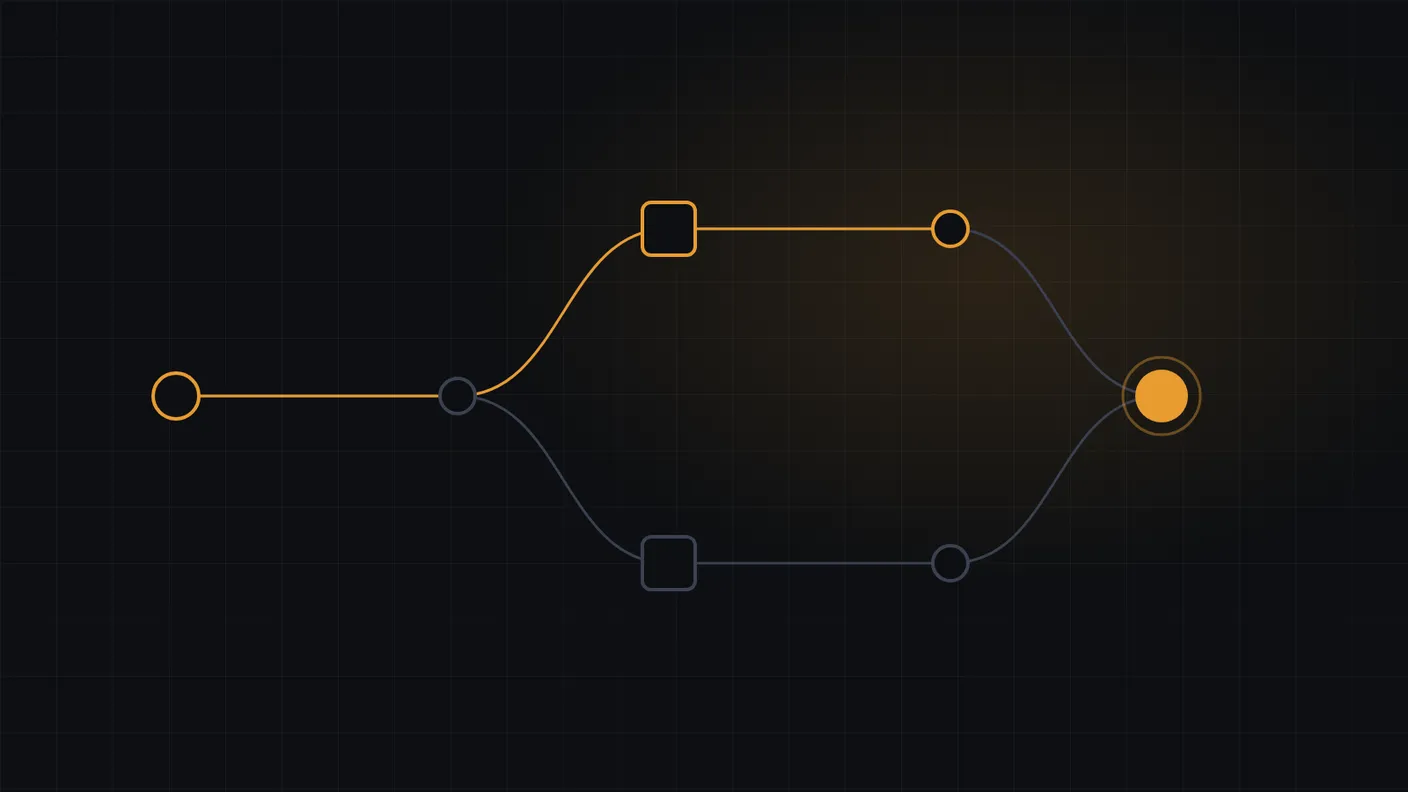
AI automation works by watching for a trigger, deciding what to do based on rules you set, and then carrying out an action across your existing tools. Here is the sequence in five steps.
- A trigger happens. Someone fills in a form, sends a message, misses a call, or a quote sits unanswered for three days.
- The system reads the information. It pulls out the useful parts: a name, a phone number, what the person actually wants.
- It decides what to do. Simple cases follow a set path. Trickier cases get flagged for a human. This boundary is the important part.
- It takes an action. Sends a reply, books a slot, updates your spreadsheet or CRM, or notifies you on your phone.
- It hands over when needed. Anything outside its remit goes straight to a person, with the context attached so you are not starting from scratch.
So what does this mean for you? You set the rules once, and the routine work then happens consistently, whether you are on a job, in a meeting, or asleep.
What jobs does AI automation do well?
AI automation does best with high-volume, repetitive, rules-based tasks that drain time but rarely need real judgement. The table below shows where it tends to earn its keep for a typical small business.
| Task | What automation could do | Why it matters |
|---|---|---|
| Answering common enquiries | Reply instantly to “do you cover my area?”, “how much?”, “are you open?” | The business that replies first often wins the work |
| Following up on quotes | Send polite, timed reminders without anyone remembering to | Follow-up is where small firms leak the most revenue |
| Capturing missed contacts | Text back a missed caller or after-hours enquiry | Stops the customer ringing your competitor next |
| Moving data between systems | Copy enquiry details into your CRM or accounts | Removes pure friction and typing errors |
| Booking appointments | Offer available slots and confirm them automatically | Frees you from phone tag and double-bookings |
Notice the pattern. These are jobs you already do, badly or inconsistently, simply because there are not enough hours. That is exactly why automating one of them often pays back faster than any other technology spend a small business makes.
Notice too that none of these need to be tackled at once. Mapping these tasks before building anything is what keeps a first project cheap and useful rather than a tangle of half-working tools.
Why does AI automation matter for an SME?
AI automation matters for an SME because small teams cannot hire their way out of repetitive work, so removing it is often the only realistic way to grow without burning out. A larger company can throw staff at the problem. You usually cannot.
There is also a speed advantage. Research on lead response has long shown that replying within minutes rather than hours dramatically increases the chance of converting an enquiry. Automation lets a one-person business respond instantly, which used to be a luxury only big firms could afford.
But here is the thing. The biggest win is rarely the cost saving. It is getting your attention back, so the hours you do work go on the parts of the job only you can do.
We see this weekly with clients. The owner who stops re-typing enquiries at 9pm gets an evening back, and the quotes that used to go cold now get chased automatically.
What AI automation is NOT
AI automation is not a replacement for running your business, and treating it as one is how firms embarrass themselves. It is worth being clear about the common misconceptions.
- It is not artificial general intelligence. It does not think, understand context it was never given, or make commercial decisions for you.
- It is not a way to remove humans. It removes repetitive tasks. The human decisions, the pricing, the contracts, the upset customer, stay with people.
- It is not “set it and forget it” forever. It needs sensible boundaries and the occasional check, like any new member of staff.
- It is not only for tech companies. Trades, clinics, salons and consultancies often benefit most, because their wasted time is so repetitive.
- It is not a magic fix for a broken process. If a process is chaotic, automating it just makes the chaos faster. Tidy it first.
The real skill is not wiring tools together. It is knowing where the boundary sits: which conversations a machine should start and a human should finish, and which decisions need an approval step.
How should a small business start with AI automation?
Start with the single task your team repeats most often, automate just that one, and measure the hours it gives back before doing anything else. Do not start with the technology.
Make a list of every task last week that felt like Groundhog Day. Rank them by hours spent. The top three are almost always some mix of answering enquiries, chasing something, or re-typing something. Pick one and automate it properly.
Before you begin, it is worth understanding your responsibilities around customer data. The ICO’s guidance for small organisations is a clear, free starting point, and the NCSC’s Small Business Guide covers keeping any new system secure.
To see where automation fits alongside everything else changing in the field, our Story of AI hub puts it in context, and our post on why missed calls cost business shows one of the highest-value places to begin.
If you would like a hand working out which of your weekly jobs is worth automating first, we offer a free, no-pressure consultation through our AI automation service. We will tell you honestly if automation is not the right fit, because that happens too.
Frequently asked questions
What is AI automation for small businesses?
AI automation for small businesses uses software to handle repetitive tasks such as answering common enquiries, following up on quotes, and moving data between systems. It runs without constant supervision and passes anything unusual to a person, so your team spends less time on routine work.
Is AI automation expensive for a small business?
It does not have to be. Many setups run on a low monthly subscription rather than a large upfront cost. The first automation often replaces work you already do every week, so it could pay for itself quickly by giving back hours rather than adding a tool you might not use.
Will AI automation replace my staff?
No. It removes repetitive work so your team can spend time on jobs that need judgement, like complex enquiries and upset customers. Think of it as a helper that handles the boring, predictable tasks, leaving the human decisions firmly with people.
Is my customer data safe with AI automation?
It can be, if it is set up properly. You should know where data is stored, who can access it, and that it meets UK GDPR rules. The ICO publishes clear guidance for small businesses on handling personal data, which is worth reading before you start.
What should a small business automate first?
Start with the single task your team repeats most often. For most businesses that is answering the same enquiries, chasing quotes, or re-typing data between systems. Automate one thing, measure the hours it saves, then move to the next rather than automating everything at once.
Do I need technical skills to use AI automation?
Not usually. Most day-to-day tools are designed for non-technical owners, with simple dashboards and plain-English settings. The harder part is deciding what to automate and where a human should step in, which is where working with someone experienced helps.